
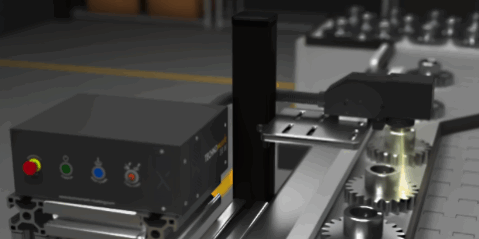
From the first spark to the final stamp, fiber lasers bring unmatched clarity, speed, and staying power, setting a new standard for marking in metal and mass production.
In sectors where production speed and stringent standards go hand in hand, marking systems need to excel in reliability, longevity, and clarity. Our latest blog uncovers the edge fiber lasers have over traditional CO₂ alternatives.
What You’ll Take Away:
- Core differences between fiber and CO₂ lasers, from design to upkeep.
- Fiber leads in metals; CO₂ excels with non-metals.
- Side-by-side look at performance, energy, upkeep, and use cases.
- Real-world applications from automotive to medical and electronics.
Whether you’re working with metals, plastics, or composites, understanding the strengths of fiber and CO₂ lasers is the first step toward choosing the right marking solution.
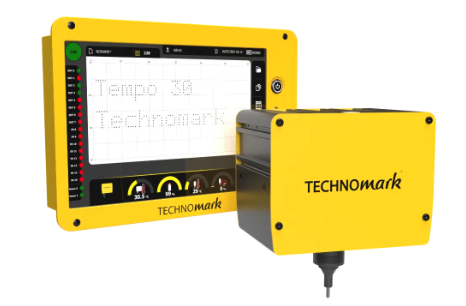
Spotlight on Innovation: Tempo from Technomark
Say hello to Tempo — a next-generation dot-peen marking solutiondesigned to integrate, connect, and deliver reliable performance.
Engineered for seamless production line integration, Tempo combines speed, durability, and connectivity, making it the perfect fit for manufacturers who need permanent marking without compromise.
What makes Tempo different:
- Ultra-compact, integration-friendly footprint
- Modular design with flexible mounting options
- Plug-and-play connectivity with Ethernet/IP, Profinet, and TCP/IP
- Fast marking speeds up to 3 characters per second
- Industrial-grade durability with anodized aluminum and steel construction
- Smart maintenance alerts to reduce downtime
This isn’t just another marking machine — it’s a system built to keep pace with your production, delivering consistent, permanent results where they matter most.
